


Hey timeline kin, it’s 3:15 a.m. on June 22, 1941, along a quiet stretch of the Bug River near the old Polish–Soviet border. The night is warm and still, the kind of summer darkness where you can hear your personal heartbeat.
Thousands of German soldiers lie in shallow scrapes or behind the last line of trees, helmets off, rifles cradled, waiting for the signal. Across the water, Soviet border guards are finishing their night shift—some smoking, some dozing against sandbags. They have no idea that 3.8 million Axis troops, 3,600 tanks, 2,500 aircraft, and 7,000 artillery pieces are coiled along a 1,800-mile front from the Baltic to the Black Sea. At exactly 3:15, the sky splits open. A thousand German batteries open simultaneously. The ground shakes for miles. Searchlights stab across the river. Stukas howl overhead. Men rise, cross the bridges, ford the shallows, and charge. Operation Barbarossa—the largest land invasion in human history—has begun.In the next few hours, the Wehrmacht will smash through the Red Army’s frontier defenses as a hammer through glass. Within days, entire Soviet armies will be encircled and destroyed. Within weeks, the Germans will be 300 miles inside Soviet territory. Within months, they will be at the gates of Moscow. And yet this colossal gamble—the one Hitler believed would win the war in a single summer—will ultimately break the Third Reich on the endless plains of Russia.
The Long Obsession – From Mein Kampf to the Final Directive (1925–December 1940)
Hitler’s fixation on the East was not born in 1941. It was already in Mein Kampf (1925): “We stop the endless German movement to the south and west, and direct our gaze toward the land in the east… If we speak of soil in Europe today, we can primarily have in mind only Russia and her vassal border states.”
He saw the Soviet Union as both an ideological enemy (Judeo-Bolshevism) and a tactical prize: Ukraine’s grain, Caucasus oil, and slave labor for the Aryan empire. Until 1940, though, he kept the USSR neutral. The Molotov–Ribbentrop Pact (August 1939) brought him a free hand in Poland and the West. Stalin delivered raw materials (grain, oil, manganese) right up to June 1941. But Hitler never intended the pact to last. In July 1940, after France fell, he ordered preliminary studies for an eastern campaign. Directive No. 21 (“Barbarossa”) was signed on December 18, 1940: “The German Armed Forces must be prepared to crush Soviet Russia in a quick campaign even before the end of the war against England.”
The plan assumed the Red Army would collapse in six to eight weeks. Hitler believed the Soviet state was rotten, its army decapitated by the 1937–38 purges, its people ready to welcome liberation. He ignored every warning—logistics nightmare, endless distances, Russian winter, Stalin’s industrial relocation east of the Urals.
The Forces & the Plan (Spring 1941)
Germany assembled three army groups:
- North (von Leeb) — Leningrad, Baltic coast.
- Center (von Bock) — Moscow.
- South (von Rundstedt) — Ukraine, Kyiv, Rostov.
Total: 3.8 million men (including allies—Romania, Hungary, Finland, Italy), 3,600 tanks, 2,500 aircraft, 7,000 guns. The Red Army had ~2.9 million men in the western districts, but many units were understrength, poorly equipped, and deployed too close to the border on Stalin’s orders (no “provocation”).German advantages:
- Superior training, radio coordination, tactical air power.
- Surprise (Stalin ignored 80+ warnings).
- Blitzkrieg experience.
Soviet advantages (ignored by Hitler):
- Vast operational depth.
- Massive tank park (more tanks than Germany, though mostly obsolete).
- Industrial capacity relocated east.
The First Six Months – Triumph & Overreach (June–December 1941)
June–August: Border Battles & Giant Encirclements
The opening weeks were devastating. Army Group Center encircled and destroyed the Western Front at Białystok–Minsk (June 22–July 3): 417,000 Soviet prisoners. Then Smolensk (July–August): another 300,000. Army Group North reached Leningrad by September, cutting off the city. Army Group South took Kyiv (September): 665,000 prisoners—the largest encirclement in history.
The opening weeks were devastating. Army Group Center encircled and destroyed the Western Front at Białystok–Minsk (June 22–July 3): 417,000 Soviet prisoners. Then Smolensk (July–August): another 300,000. Army Group North reached Leningrad by September, cutting off the city. Army Group South took Kyiv (September): 665,000 prisoners—the largest encirclement in history.
By late August, the Wehrmacht had advanced 300–400 miles, destroyed most of the Red Army’s pre-war strength in the west, and captured 2.5 million prisoners. Stalin panicked—offered peace feelers through Bulgaria (rejected). Hitler believed victory was weeks away.
The Fatal Pivot – Moscow or Ukraine?
In August, Hitler diverted Army Group Center’s panzers south to help at Kyiv. Guderian protested: “Moscow first!” Hitler overruled him. Kyiv fell, but the delay cost precious weeks. By October, the rasputitsa (mud season) slowed the advance. When the ground froze in November, Army Group Center launched Operation Typhoon toward Moscow. They reached the city’s suburbs (20 miles) but were stopped by fresh Siberian divisions, ferocious weather (–40 °C), and overstretched supply lines.
In August, Hitler diverted Army Group Center’s panzers south to help at Kyiv. Guderian protested: “Moscow first!” Hitler overruled him. Kyiv fell, but the delay cost precious weeks. By October, the rasputitsa (mud season) slowed the advance. When the ground froze in November, Army Group Center launched Operation Typhoon toward Moscow. They reached the city’s suburbs (20 miles) but were stopped by fresh Siberian divisions, ferocious weather (–40 °C), and overstretched supply lines.
December 1941 – The Counter-Offensive
On December 5–6, the Red Army counter-attacked. Siberian troops, T-34 tanks, Katyusha rockets. The Germans—exhausted, frostbitten, short of fuel—were pushed back 50–150 miles. Hitler forbade retreat. “Stand fast!” Many units were encircled, but held. The myth of German invincibility was shattered.
On December 5–6, the Red Army counter-attacked. Siberian troops, T-34 tanks, Katyusha rockets. The Germans—exhausted, frostbitten, short of fuel—were pushed back 50–150 miles. Hitler forbade retreat. “Stand fast!” Many units were encircled, but held. The myth of German invincibility was shattered.
The Human & Tactical Cost
- German casualties June–December 1941: ~830,000 (killed, wounded, missing).
- Soviet casualties: ~4.5 million (killed, wounded, captured)—but the USSR survived.
- Prisoners: 3 million Soviet soldiers died in German captivity (starvation, exposure, execution).
Hitler had gambled on a quick victory. He lost. The war became a long, two-front attritional struggle that Germany could not win.
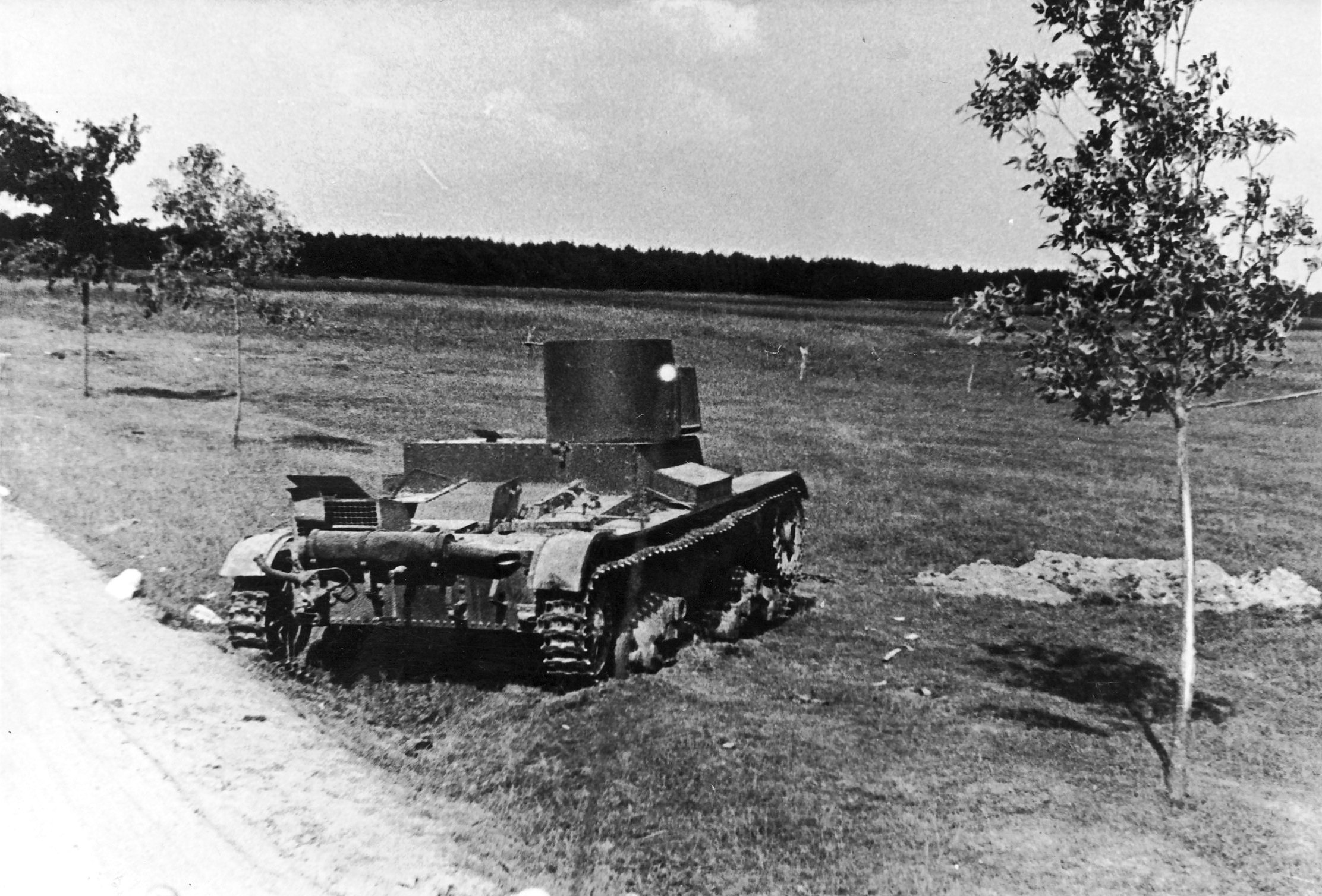
The Gamble That Broke the Third Reich
Barbarossa was the greatest military gamble in history—and the moment the Third Reich signed its own death warrant. Hitler believed he could destroy the Soviet Union in one summer campaign. He underestimated Russian resilience, Soviet industrial relocation, winter, and his own allies’ weaknesses. The invasion opened the bloodlands of the east, where the Holocaust developed into industrial genocide and where millions of Soviet civilians and POWs perished.
In 2026, when people visit the memorials at Brest Fortress or walk the fields around Moscow where the counter-offensive began, they feel the scale of the gamble. Barbarossa did not just fail; it broke the Wehrmacht’s offensive power forever. Germany would never again launch a strategic offensive on the same scale.
What part of Barbarossa stays with you?
The ghostly silence before the guns opened at 3:15 a.m.?
The giant encirclements at Minsk, Smolensk, and Kyiv?
The moment the panzers reached Moscow’s suburbs, only to be thrown back by Siberian divisions?
Or the terrible arithmetic—millions dead in six months, and the war still only beginning?
The ghostly silence before the guns opened at 3:15 a.m.?
The giant encirclements at Minsk, Smolensk, and Kyiv?
The moment the panzers reached Moscow’s suburbs, only to be thrown back by Siberian divisions?
Or the terrible arithmetic—millions dead in six months, and the war still only beginning?
Write whatever is on your mind below. I read every word.
Books which shaped how I understand Barbarossa:
- Barbarossa: How Hitler Lost the War by Jonathan Dimbleby (clear, modern narrative)
- Operation Barbarossa and Germany’s Defeat in the East by David Stahel (detailed military analysis)
- When Titans Clashed by David M. Glantz & Jonathan House (best operational history from both sides)
- The Road to Stalingrad by John Erickson (Soviet perspective, classic)
- Bloodlands by Timothy Snyder (The Human Catastrophe in the East, 1933–1945)
Reliable sources I leaned on for key facts:
- Bundesarchiv – Unternehmen Barbarossa (German military orders & war diaries)
- Russian Ministry of Defense – Central Archive (Soviet reports & casualty figures)
- United States Holocaust Memorial Museum – Operation Barbarossa
- Britannica – Operation Barbarossa
- The National WWII Museum – Barbarossa
Recommended Articles
- The Lightning War That Erased Poland from the Map – The Blitzkrieg that preceded Barbarossa.
- The Secret Pact That Allowed Hitler to Invade Poland – The cynical deal that was later broken.
- The Molotov–Ribbentrop Pact: One of History’s Most Cynical Deals – The shocking agreement Hitler eventually betrayed.
- Erwin Rommel: The Desert Fox Who Outmaneuvered the British – The North African campaign was weakened by resources sent east.
- The Battle of Britain: When Hitler Failed to Conquer the Skies – The defeat that pushed Hitler toward invading the Soviet Union.


Comments