


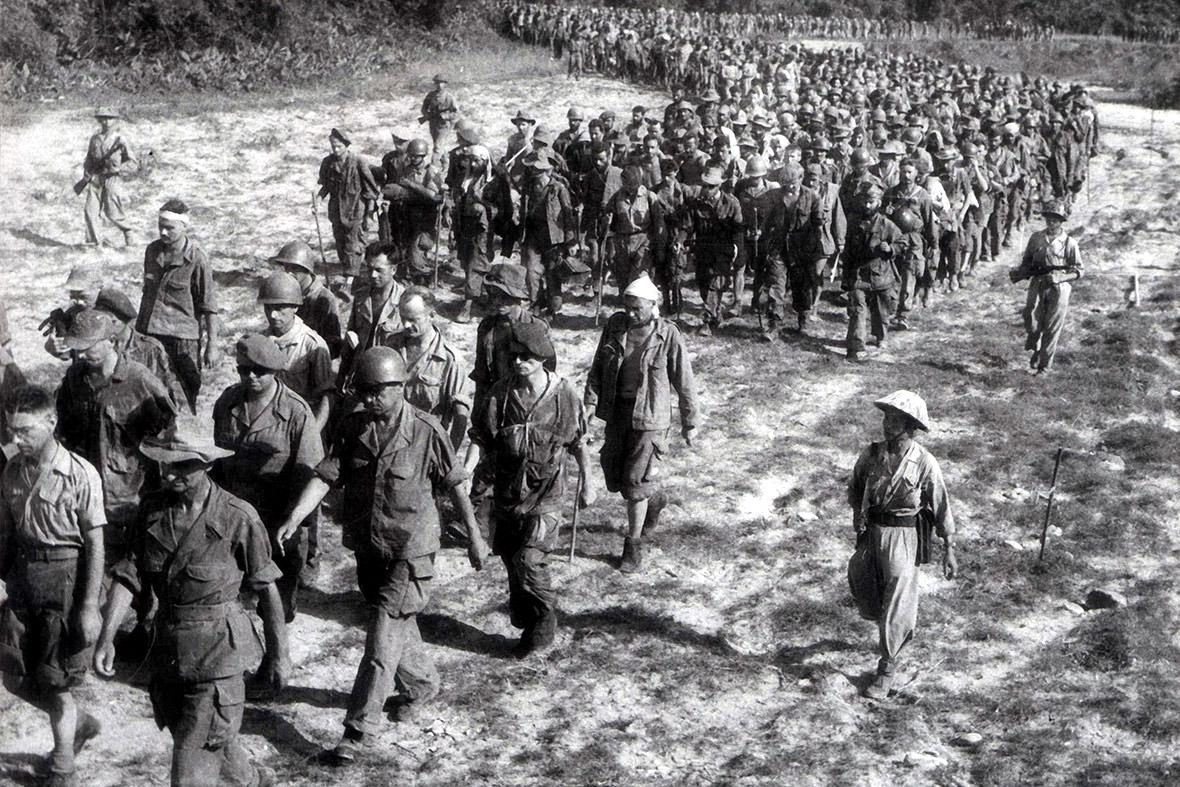
Hey timeline kin, see yourself on the deck of a French gunboat gliding up the muddy Mekong in the summer of 1884. The river is wide and slow, the water the color of strong tea. On both banks, rice paddies stretch flat to the horizon, interrupted solely by palm groves and the occasional pagoda roof. Mosquitoes whine amid dense swarms.
A young French naval officer in sweat-soaked whites stands at the rail, notebook open, sketching the silhouette of a Khmer temple partly consumed by jungle. He is part of the latest expedition sent to “pacify” Cochinchina and Annam. Behind him, coolies haul crates of rifles and champagne; ahead, a village headman waits on the bank with a wary bow and a basket of mangoes. The officer writes one line in his journal: “This is not exploration. This is possession.”French Conquest of Indochina: Gunboats, Missionaries, and Colonial Expansion (1858–1887)
The Colonial Machine – Rubber, Rice & Resistance (1887–1930)
- Phan Đình Phùng’s royalist uprising (1885–1895).
- Hoàng Hoa Thám’s bandit-guerrilla war in the north (1884–1913).
- Phan Bội Châu’s Đông Du movement (early 1900s) — sent students to Japan.
- Phan Châu Trinh’s reformist push for modernization without violence.
The Awakening – Nationalism & World War I (1914–1930)
- Reformists (Phan Châu Trinh) — work within the system.
- Revolutionaries (Phan Bội Châu) — armed struggle.
- Communists (Nguyễn Ái Quốc) — Marxist-Leninist revolution.
The 1930s – Depression, Repression, World War II (1930–1945)
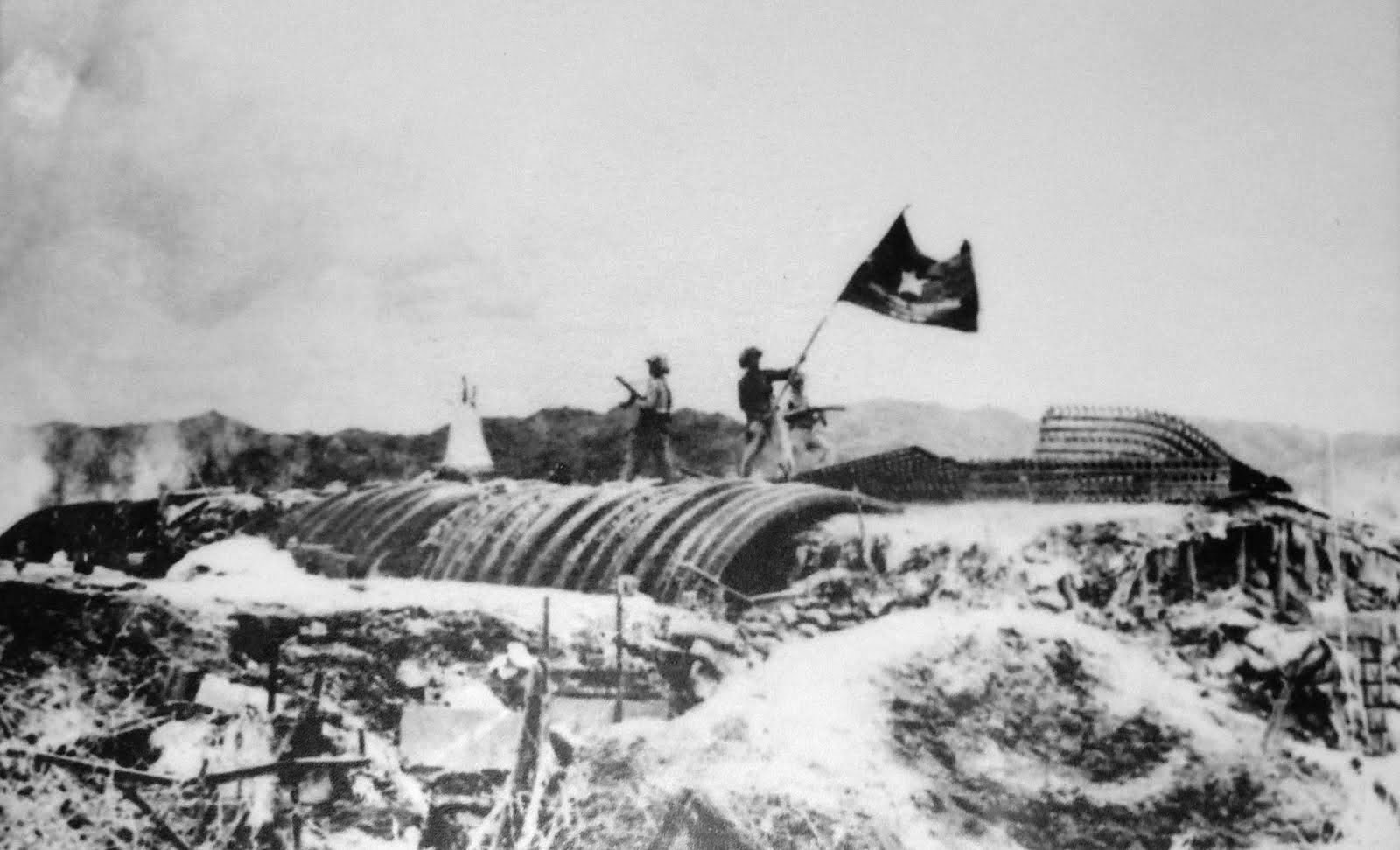
The End – August 1945 & the First Indochina War
The decisive defeat of French forces at the Battle of Dien Bien Phu marked the end of French colonial rule in Southeast Asia. It shattered the illusion that European empires could maintain control over nationalist movements in Asia and directly led to the collapse of French Indochina.

The Long Shadow of French Indochina: Colonial Legacy in Southeast Asia
French Indochina was never a unified nation-state, but a colonial construct imposed by France over diverse regions, including Vietnam, Cambodia, and Laos. These territories differed in language, culture, political systems, and historical identity, yet were governed under a single administrative framework designed primarily for economic extraction and political control.
Throughout the late 19th and early 20th centuries, the colonial economy of French Indochina relied heavily on rice production, rubber plantations, and mineral resources such as coal. Large French companies and colonial institutions profited from this system, while local populations faced heavy taxation, forced labor, and limited access to education and political power. This imbalance contributed to long-term social and economic inequalities that persisted even after independence.
The collapse of French rule—accelerated by the Battle of Dien Bien Phu and the end of the First Indochina War—did not bring immediate stability. Instead, the region entered decades of further conflict, including the Vietnam War and internal struggles in Cambodia and Laos, as newly independent states sought to define their political systems and national identities.
Today, the legacy of French Indochina remains visible across Southeast Asia. In cities like Hanoi and Ho Chi Minh City, colonial-era architecture, boulevards, and urban planning coexist with modern development. Landmarks such as the Imperial City of Hue reflect both indigenous heritage and the layered impact of foreign rule.
This duality reflects a deeper historical paradox: while French colonialism introduced infrastructure and global economic integration, it also left behind political fragmentation, cultural disruption, and lasting trauma. Modern Vietnam, Cambodia, and Laos continue to navigate this legacy—balancing national identity, historical memory, and post-colonial development.
The gunboats steaming up the Mekong to “pacify” the delta?
The Vietnamese students in Paris who came home to start revolutions?
The rubber plantations where coolies died by the thousands?
Or the moment in 1945 when Hồ Chí Minh stood in Ba Đình Square, quoting the American Declaration of Independence to declare freedom from the very nation that wrote it?
- The French in Indochina by John T. McAlister (classic overview of conquest & administration)
- Vietnam 1946: How the War Began by Stein Tønnesson (focus on the 1945–1946 transition)
- Indochina: An Ambiguous Colonization by Pierre Brocheux & Daniel Hémery (social & economic history)
- The Birth of Vietnam by Keith W. Taylor (deep pre-colonial context)
- Street Without Joy by Bernard B. Fall (classic on the First Indochina War)
- French National Archives – Indochina
- Bibliothèque nationale de France – Gallica Indochina Collection
- Vietnam National Archives – Colonial Period
- Britannica – French Indochina
- Ho Chi Minh Museum – Declaration of Independence
Recommended Articles
- How Japan’s Attack on Pearl Harbor Changed the World – Japan’s occupation of Indochina weakened French control.
- Franklin D. Roosevelt: The President Who Changed America Forever – U.S. policy toward European colonies in Asia.
- Winston Churchill: The Reckless Politician Who Became Britain’s Wartime Hero – Britain’s role in the post-war decolonization era.
- Operation Barbarossa: When the Nazi War Machine Met Its Match – The European war that created opportunities for Asian independence movements.
- The Soviet Union: The Revolution That Tried to Rewrite Human Nature – The ideological roots that shaped Vietnam’s communist revolution.


Comments